Safe Sedation Dentistry for Kids
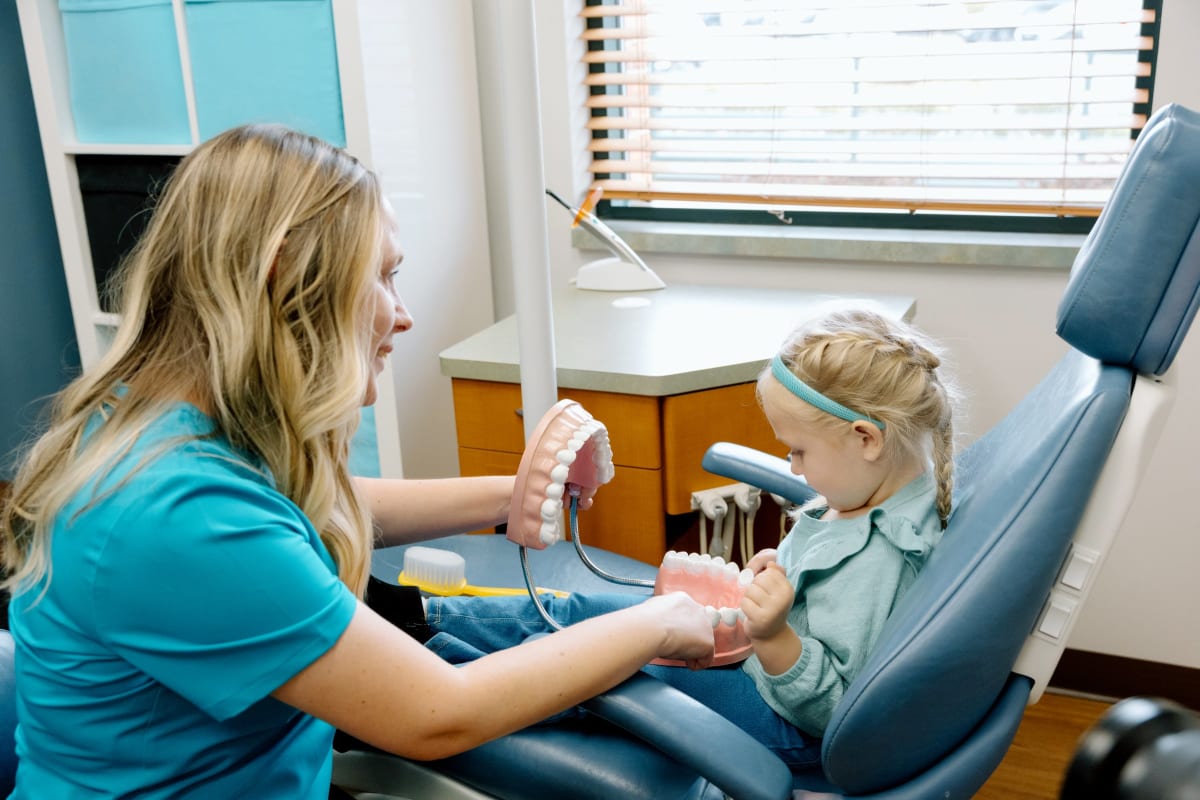
If your child needs dental work and the thought of it has you tied in knots, take a breath. Sedation dentistry is one of the gentlest ways to get treatment finished while your child stays calm and comfortable, without carrying home a scary memory.
Dr. Mike and the team at Frederick Pediatric Dentistry, LLC match the level of sedation to what your child actually needs, never more. He provides oral conscious sedation and IV sedation right here in our office, and for cases that call for general anesthesia, we coordinate with pediatric anesthesiology specialists and local surgery centers. Dr. Mike is a board-certified pediatric dentist and a dad himself, and he's spent over 25 years caring for kids around Frederick, including children with developmental needs, sensory sensitivities, and real dental fear.
We see families from Frederick, Hagerstown, Mt. Airy, Middletown, and across the Tri-State area at our two offices. To talk it through with our team, call (240) 513-6161.
Quick Takeaways
- Two in-office options, oral conscious sedation and IV sedation, and we reach for the lightest one that keeps your child at ease.
- For the most complex cases, we coordinate general anesthesia with pediatric anesthesiology specialists and local surgery centers.
- Kids with special needs, sensory sensitivities, or strong dental anxiety often benefit most.
- A consultation is the best place to ask your questions and get answers tailored to your child.
- The next step is a consultation to review your child's needs and recommend the right level of support.
How Sedation Works, Start to Finish
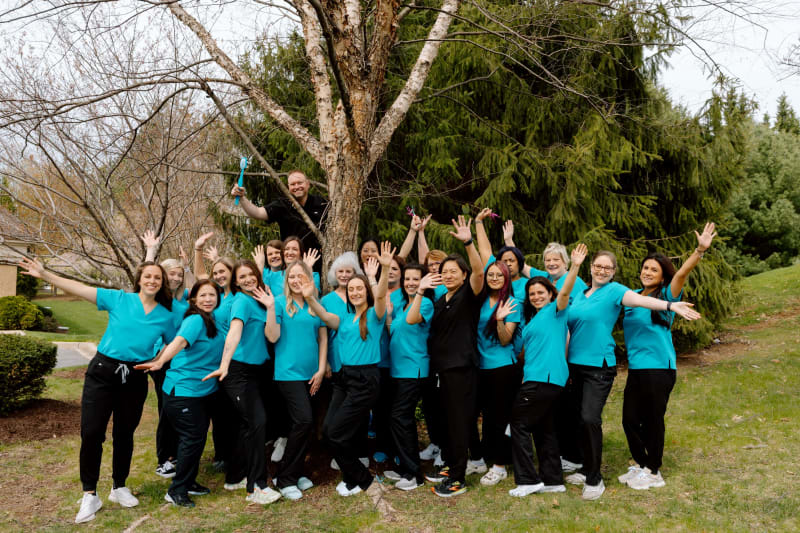
Every child gets a plan built around their needs, but here's the shape of a typical day.
- Before the visit, we send detailed instructions, including any fasting requirements tied to the sedation. Bring a current medication list and a comfort item from home.
- When you arrive at our Frederick or Hagerstown office, we check you in and walk you through what's about to happen.
- In the treatment area, Dr. Mike gives the sedation in a quiet, calm setting. Your child is monitored the entire time.
- Afterward, your child rests in our recovery area until awake, steady, and ready to head home, with you right there.
Your job is comfort and reassurance. We handle the clinical side and keep you in the loop at every step.
Two Sedation Options, One Experienced Team
- Oral conscious sedation: a liquid or pill taken by mouth before treatment. Your child stays drowsy and relaxed but can still respond to simple questions. A good fit for mild to moderate anxiety or shorter procedures.
- IV sedation: for more involved treatment, heavier anxiety, or kids who struggle with lighter sedation. Dr. Mike works alongside pediatric anesthesiology specialists focused on your child's safety and comfort.
What Sedation Makes Possible for Your Child
- Needed dental work finally gets done, instead of being put off month after month.
- Your child stays calm, so a hard appointment doesn't turn into something they dread.
- Most kids remember little to nothing afterward and wake up comfortable.
- Complex treatment can often be wrapped up in fewer visits, sometimes just one.
- Children with sensory or developmental needs get care without being overwhelmed.
- A good experience now shapes how your child feels about the dentist for years.
Is Sedation Right for Your Child?
Sedation tends to be a good fit when:
- Your child has significant dental anxiety or a frightening past experience at the dentist.
- There's more treatment than a young child can comfortably sit through while awake.
- Your child has developmental needs or sensory sensitivities that make a standard appointment too much.
- Your child is very young and the work needed is extensive.
Not every child needs it. For a quick filling or routine checkup, plenty of kids do fine with our usual gentle, go-at-their-pace approach. Some children have medical histories that shape which option is safest, and that's something we sort out together at the consultation. We won't push sedation your child doesn't need.
Timeline and What the Day Looks Like
We schedule treatment for a separate day from the consultation. That gap is on purpose: it gives us room to plan your child's care carefully instead of rushing.
How long the treatment day runs depends on how much dental work is involved, and we'll give you a realistic time estimate ahead of time. Many children get everything finished in a single visit.
Preparing Beforehand and Recovery at Home
Follow any fasting guidelines we send for your child's sedation, dress them in comfortable clothes, and pack a comfort item from home along with a current list of any medications your child takes. We'll spell out the exact specifics before your visit.
Recovery depends on the type of sedation. Oral sedation can leave a child drowsy for several hours; IV sedation usually means a longer, sleepier afternoon. Either way, keep the day calm: no running, climbing, or rough play until your child is fully alert and steady.
Start with clear liquids once your child is ready, then move to soft foods when they're awake and hungry. Hold off on anything hot or hard until the next day. A little grogginess, fussiness, or mild nausea is normal. Call us right away if you notice fever, unusual swelling, trouble breathing, or anything else that worries you. You'll go home with written discharge instructions tailored to your child's procedure.
What Does Pediatric Sedation Cost?
Sedation adds to the overall cost of treatment, depending on which type we use and how complex the dental work is. Oral conscious sedation generally costs less than IV sedation, which involves extra clinical oversight and specialized resources.
Insurance coverage varies by plan. Many plans cover part of sedation when it's medically necessary, which often applies to children with special needs, serious anxiety, or extensive treatment. Call your insurance directly before you schedule.
For anything insurance doesn't cover, we accept CareCredit and can set up flexible payment arrangements. At your consultation, we'll give you a clear, itemized breakdown built around your child's specific plan, with no surprises on the bill.
Why Families Across the Tri-State Area Trust Dr. Mike
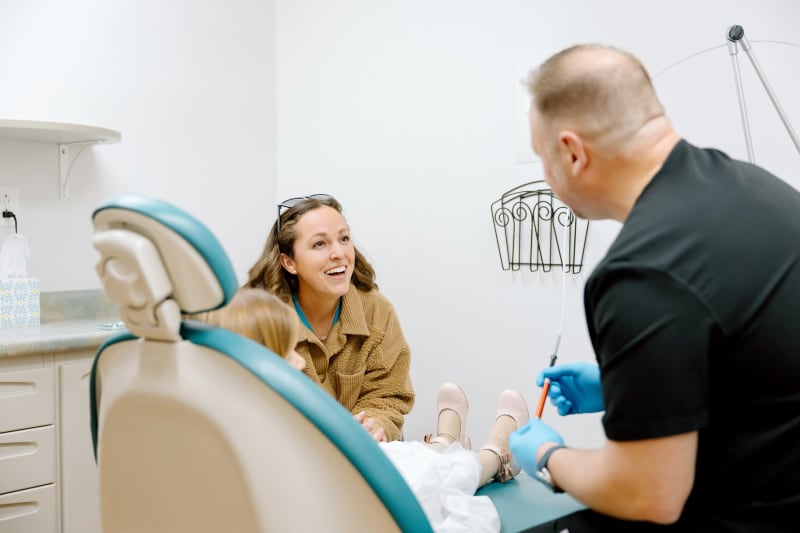
Plenty of pediatric offices send families straight to a hospital the moment sedation gets complicated, which usually means more travel, more unfamiliar faces, and more stress. We avoid that whenever we safely can.
Because Dr. Mike handles both in-office sedation options himself, and only brings in our anesthesiology partners and surgery centers when a case genuinely calls for it, your child stays with a familiar team in a calmer setting. Whichever route a case takes, we stay alongside your family.
What Sets Us Apart
- Dr. Mike is a Fellow of the American Academy of Pediatric Dentistry, an honor fewer than 5% of pediatric dentists hold.
- Most cases never default to a hospital referral, so your child stays in a familiar setting.
- A parent-first approach. Dr. Mike is a dad, and he treats every child the way he'd want his own cared for.
Frequently Asked Questions
Is sedation dentistry safe for toddlers?
Yes, when handled by people trained in pediatric sedation. We follow American Academy of Pediatric Dentistry guidelines and monitor your child's vital signs the entire time. For the youngest children or most involved cases, we lean on our anesthesiology partners for added oversight.
My child has autism or sensory sensitivities. Can they still be sedated safely?
Absolutely, and these are often the children who benefit most. We spend extra time learning what helps your child feel safe and keep the environment calm and predictable. Read more about our approach to children with special needs.
Will my child be completely unconscious?
Not necessarily. We use the lightest level that keeps your child comfortable. With oral sedation, many kids stay drowsy but responsive. Deeper sedation goes further. We'll tell you exactly what to expect for your child's plan.
How do you decide between oral sedation and IV sedation?
It comes down to your child's age, anxiety level, medical history, and how much dental work is needed. We go through it together at the consultation and land on the gentlest option that gets the job done.
What if my child gets anxious before the sedation kicks in?
We're ready for that. We speak softly, move slowly, keep the room low-stimulation, and use comfort measures from the moment you walk in.
Let's Talk Through Your Child's Options
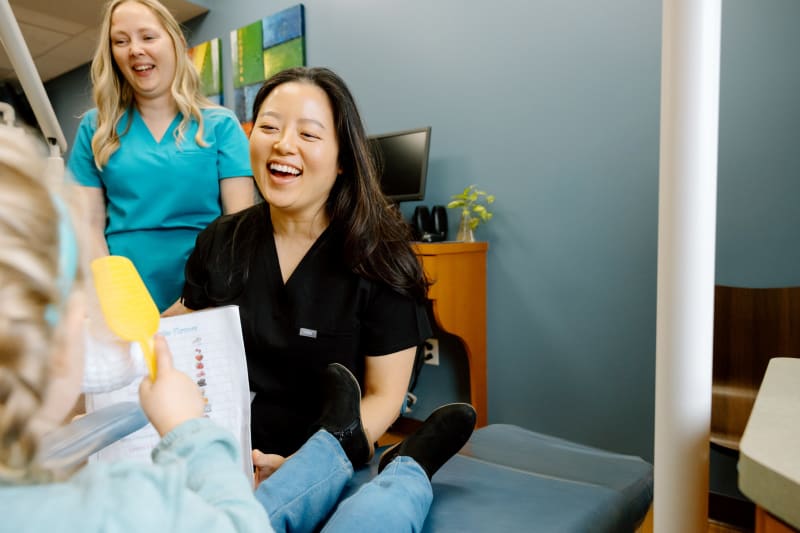
Deciding on sedation is a big call, and not one you should make off a website. A consultation gives us time to look closely at your child's needs, answer every question, and recommend the gentlest path forward. No pressure, just a real conversation about what's best for your kid.
Give us a call when you're ready at (240) 513-6161. We see families at both offices:
- Frederick: 77 Thomas Johnson Drive #A, Frederick, MD
- Hagerstown: 1150 Omega Drive, Suite 102, Hagerstown, MD
Curious what other families think? Read what other parents have to say about bringing their kids to see our team.